Last updated:
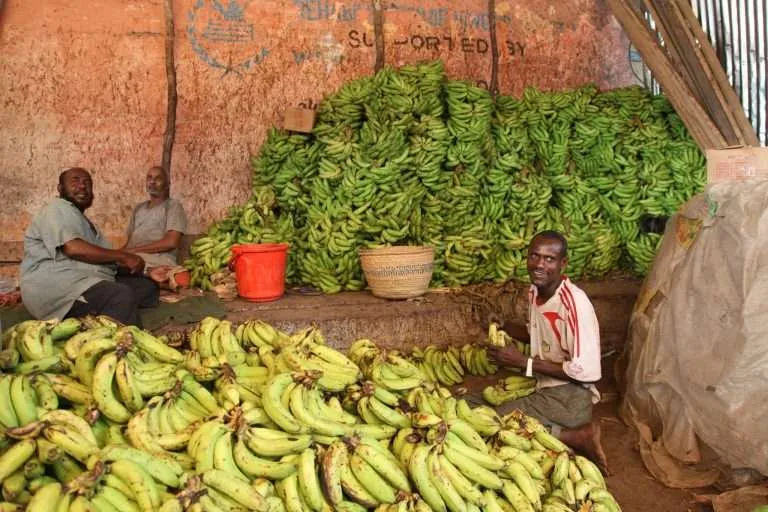
Photo: 234-SUDAN - anmede
Sudan sexual violence has been documented by the United Nations, the International Criminal Court, and human rights organisations as a deliberate weapon of war deployed primarily — though not exclusively — by the Rapid Support Forces (RSF) since the war's outbreak on 15 April 2023. Furthermore, the UN Special Representative on Sexual Violence in Conflict has characterised the patterns as "tactical," meaning rape and sexual slavery are used systematically to terrorise civilians, displace populations, and humiliate ethnic groups. As a result, conflict-related sexual violence (CRSV) has become one of the defining features of the Sudanese conflict. This article documents the patterns, victims, perpetrators, and asylum implications.[1]
For wider context on the war, see the Sudan country report.
UN SRSG-SVC characterisation
Primary perpetrator (UN Panel of Experts)
Women and girls at risk of GBV (UNFPA)
Age range of documented victims (years)
Documented Patterns of Sexual Violence
UN documentation reveals consistent patterns of sexual violence across Sudan. First, RSF fighters target women and girls during ground assaults on neighbourhoods and villages. Second, sexual violence is commonly accompanied by ethnic slurs against non-Arab Darfuri groups (Masalit, Fur, Zaghawa). Third, rape is followed by abduction, sexual slavery, and forced "marriage." Fourth, attacks occur at checkpoints, during raids on homes, and at displacement sites. Furthermore, the UN Fact-Finding Mission for Sudan documented gang rape as a recurring feature of RSF assaults. As a result, the patterns meet the criteria for systematic CRSV under international law.[2]
Geographic distribution
Sexual violence has been documented across Sudan but is concentrated in: West Darfur (especially El Geneina); South Darfur (Nyala); Khartoum and Omdurman; Gezira State (Wad Madani after the December 2023 RSF takeover); and along displacement routes. Furthermore, women fleeing to Chad have reported assaults at RSF checkpoints during their journeys. By contrast, sexual violence by SAF and allied forces has also been documented but appears less systematic. Therefore, the geographic spread mirrors RSF military operations.[3]
UN Documentation: SRSG-SVC and Fact-Finding Mission
The UN Special Representative on Sexual Violence in Conflict (SRSG-SVC) Pramila Patten has repeatedly raised alarm about Sudan. In particular, her February 2024 report described "credible reports of sexual violence" amounting to a "tactical" use of CRSV. Furthermore, she identified the RSF and allied militias as primary perpetrators. The UN Fact-Finding Mission, established by the Human Rights Council in October 2023, documented in its September 2024 report widespread rape, sexual slavery, and forced marriage. As a result, both UN bodies have called for accountability and protection.[4]
| UN Body | Report Date | Key Finding |
|---|---|---|
| SRSG-SVC (Patten) | February 2024 | "Tactical" use of CRSV by RSF |
| Fact-Finding Mission | September 2024 | Rape and sexual slavery widespread; ethnic targeting |
| UNFPA | March 2025 | 12M women and girls at risk of GBV |
| Panel of Experts (Sanctions) | January 2025 | RSF commanders linked to systematic SGBV |
| OHCHR | October 2025 | Patterns continue; impunity entrenched |
Ethnic Dimension: Targeting Non-Arab Women
UN reports document that RSF sexual violence in Darfur has a clear ethnic dimension. Survivors describe attackers using slurs against Masalit, Fur, and Zaghawa women. In particular, RSF fighters told victims that they were being raped because of their ethnicity. Furthermore, in El Geneina (June 2023), survivors reported that women from non-Arab tribes were specifically targeted while Arab women in the same neighbourhoods were spared. As a result, the patterns mirror those of the 2003-2004 Darfur genocide. Therefore, the US State Department's January 2025 genocide determination cited sexual violence as one of the indicators.[5]
"Survivors recounted that perpetrators used ethnic slurs during the attacks, calling them 'slaves' and stating that they were being targeted because of their ethnicity."UN Fact-Finding Mission for Sudan, September 2024 Report
Survivor Testimonies and Service Gaps
Médecins Sans Frontières (MSF), the Sudanese Doctors' Trade Union, and local women's groups have collected survivor testimonies. The accounts describe gang rape, sexual slavery lasting weeks or months, forced "marriage" to RSF fighters, and abduction for transport across borders. Furthermore, survivors face severe service gaps: medical facilities have collapsed, post-rape kits are unavailable in much of the country, and stigma prevents many from seeking help. As a result, the actual number of victims is far higher than reported. Therefore, the UN estimates only capture a fraction of the violence.[6]
Mental health consequences
Survivors of CRSV in Sudan suffer severe mental health consequences. In particular, the combination of sexual violence, witnessing family killings, displacement, and ongoing insecurity creates compound trauma. Furthermore, traditional support networks have been shattered by displacement. The UN OCHA has warned that the mental health crisis among Sudanese women is "catastrophic." As a result, asylum medical reports for Sudanese women survivors typically document PTSD, complex PTSD, depression, and severe anxiety. Therefore, expert reports under the Istanbul Protocol are critical for asylum claims.[7]
Asylum Implications for Sudanese Women and Girls
Sudanese women and girls fleeing CRSV have strong asylum claims. First, sexual violence by state agents or persons the state cannot or will not control constitutes persecution. Second, women in conflict-affected areas constitute a particular social group (UNHCR Guidelines on Gender-Related Persecution, 2002). Third, ethnic targeting (e.g., Masalit women) provides additional Convention grounds (race/nationality). Furthermore, the UNHCR Sudan position (April 2025) calls for non-return of all Sudanese, with women and girls flagged as particularly vulnerable. As a result, refoulement of women survivors would breach Article 33 of the 1951 Convention.[8]
Asylum tip: Sudanese women survivors should obtain medico-legal expert reports applying the Istanbul Protocol, country expert reports on RSF patterns of CRSV, and may rely on the UNHCR Gender Guidelines. Furthermore, Convention grounds include particular social group (women in Sudan), race, and nationality (for Darfuri women).
Survivors of conflict-related sexual violence can obtain evidence linking their account to UN documentation through our Sudan country expert witness reports.
Accountability: ICC, Sanctions, Domestic Courts
Accountability for CRSV in Sudan remains weak but is not absent. First, the ICC has an open situation in Darfur (referred by UNSC Resolution 1593 in 2005) and the Prosecutor has stated that the 2023-2026 events fall within the existing jurisdiction. Second, the UN Panel of Experts has named individual RSF commanders linked to SGBV in its sanctions reports. Third, domestic courts in third countries (including the UK, US, and Germany) may exercise universal jurisdiction over CRSV constituting crimes against humanity. Furthermore, civil society organisations are documenting evidence to support future prosecutions. Therefore, accountability mechanisms exist but face severe political obstacles.[9]
Conclusion: A Defining Feature of the Sudan War
Sudan sexual violence is one of the defining features of the 2023-2026 war. UN bodies have documented its tactical use, ethnic targeting, and devastating impact on women and girls. Furthermore, perpetrators (primarily RSF) act with near-total impunity inside Sudan. Asylum systems must therefore recognise the severity and ongoing nature of the risk. As a result, blanket refoulement to Sudan is not legally defensible while CRSV continues at this scale. Therefore, the UNHCR position on non-return reflects a legal imperative — not merely a humanitarian preference.
Footnotes
- UN Office of the SRSG on Sexual Violence in Conflict, statements on Sudan (February 2024).
- UN Fact-Finding Mission for Sudan, Report of September 2024 (A/HRC/57/23).
- OHCHR, Briefings on Sudan, 2024-2025; MSF Field Reports, El Geneina and Wad Madani.
- UN Panel of Experts on the Sudan, Final Report, 2025 (S/2025/XX).
- US State Department, Sudan Genocide Determination, 7 January 2025.
- MSF Press Briefing, "Sudan: Sexual Violence on a Massive Scale" (2025).
- UN OCHA, Sudan Humanitarian Update, 2025; UNFPA Mental Health Briefing.
- UNHCR, "Position on Returns to Sudan," April 2025; Gender Guidelines (2002).
- UNSC Resolution 1593 (2005); ICC Office of the Prosecutor statements 2023-2025.
Sources
Need an expert witness report for your case?
Our country experts provide independent reports for asylum and immigration cases in the UK, US, Canada, and EU.
Order an expert witness report |
Find a country expert witness |
About our expert team