Last updated:
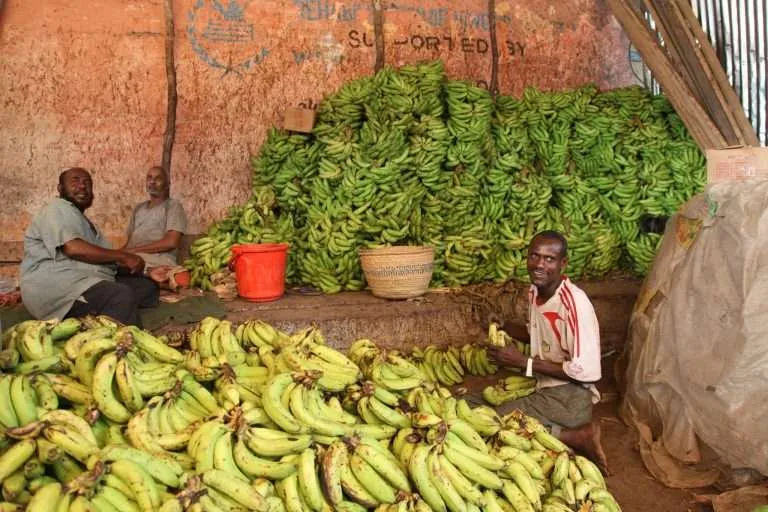
Photo: Journalist Stephen Poch fled fighting in South Sudan to come to Ethiopia - Oxfam East Africa
Reporting on the Ethiopia journalist Tigray crackdown means writing about colleagues you may never see again. Several dozen Ethiopian journalists who covered the 2020-2022 Tigray war faced detention, prosecution, or forced exile. Subsequently, the August 2023 Amhara state of emergency triggered another wave of arrests of journalists. The 2020 Anti-Terrorism Proclamation (Proclamation No. 1176/2020) and the Hate Speech and Disinformation Prevention Proclamation (Proclamation No. 1185/2020) provide the legal framework used against them. Furthermore, internet shutdowns in conflict areas have left journalists exposed without communication. This article maps Ethiopia's press freedom collapse since 2020 and the asylum implications for journalists who have left the country or fear return.[1]
For wider context, see the Ethiopia country report and the article on Ethiopia emergency laws.
Ethiopia's RSF Press Freedom rank (2025)
Documented journalist detentions since 2020
Days of internet shutdown in Tigray during war
Maximum sentence under Hate Speech Proclamation
The Press Freedom Collapse Since 2020
Ethiopia's press freedom rose briefly after the 2018 transition. Independent media outlets opened. Exiled journalists returned. The 2009 Anti-Terrorism Proclamation that had been used to imprison journalists was reformed. As a result, the early Abiy period appeared to bring a new opening for the press. The November 2020 Tigray war reversed the trend. Since then, the trajectory has been one of sustained, structural press freedom collapse.[2]
The 2020 Anti-Terrorism Proclamation in practice
The Anti-Terrorism Proclamation No. 1176/2020 was framed as a reform of the more draconian 2009 version. Provisions on broad definitions of "terrorist act" and "supporting terrorism" remained. Subsequently, prosecutors have used these provisions against journalists who reported on the Tigray war, the Amhara conflict, or PMF-equivalent armed group operations. As a result, even factual reporting can attract terrorism prosecution.
The Hate Speech Proclamation
The Hate Speech and Disinformation Prevention and Suppression Proclamation No. 1185/2020 criminalises broadly defined categories of speech. Penalties include up to 5 years imprisonment for hate speech offences and additional penalties for disinformation. Critics — including UNHCHR, RSF, and HRW — have raised that the broad definitions criminalise legitimate political speech and journalism. Furthermore, the law has been used to detain journalists who criticised the Tigray war or the federal response to the Amhara conflict.[3]
Internet shutdowns as a method of suppression:
The federal government cut Tigray's internet for over 200 days during the war. Subsequent shutdowns have affected Amhara region during the 2023-2026 conflict. Journalists working in shutdown zones cannot communicate, verify, or publish. As a result, many flee to Addis Ababa, where they face surveillance and prosecution risk; others flee abroad.
Documented Cases of Detention and Prosecution
RSF, CPJ, the Ethiopian Free Press Journalists Association, and HRW have documented dozens of cases. Some major cases illustrate the patterns.[4]
Tigray war reporting cases
Several journalists who reported on the Tigray war faced detention. Cases documented by CPJ include detention of Ethiopian and foreign journalists at Addis Ababa airport on return; charges under terrorism provisions for reporting on TDF advances; and prosecution for "spreading disinformation" against journalists who challenged official casualty figures. Some have been released; others remain detained or in exile.
Amhara conflict reporting cases
Since August 2023, the Amhara state of emergency has produced a wave of arrests. Ethnic Amhara journalists working for Amharic-language outlets have been particularly affected. Several have been detained without charge for months. CPJ documented at least 15 Amhara-related journalist detentions in 2023-2024 alone. Furthermore, the licensed broadcasters Awlo Media and Ethio Media have faced licence reviews.
Oromia and Oromo-language press
Journalists working in Afaan Oromo or covering the OLA conflict in West Oromia have faced detention under the Anti-Terrorism Proclamation. Some have been held for extended periods awaiting trial. Furthermore, the Communications Authority has restricted some Oromo-language broadcast operations.
Exile, Diaspora Reporting, and Sur Place Risk
Many Ethiopian journalists who fled after 2020 now operate from exile in Kenya, the United States, the United Kingdom, and Germany. They continue to report on Ethiopian developments. Furthermore, Ethiopian government surveillance of diaspora journalists has been documented. Returnees with public diaspora reporting profiles face heightened risk of detention on return.[5]
Ethiopia's anti-terrorism and hate speech laws have made independent journalism on the country's conflicts an increasingly dangerous profession. Journalists detained on terrorism charges face indefinite pre-trial detention.
Reporters Without Borders, Press Freedom Index 2025 — Ethiopia Profile
Asylum Implications for Ethiopian Journalists
Ethiopian journalist asylum claims engage strong Convention grounds. The dominant ground is political opinion. Where the journalism reports on a particular ethnic or political community, race or political opinion can apply. Furthermore, the PSG ground "journalists in Ethiopia" is well-recognised in case law of multiple jurisdictions.[6]
| Profile | Convention ground | Risk on return |
|---|---|---|
| Tigray war reporter | Political opinion; PSG (journalists) | Detention; terrorism prosecution |
| Amhara conflict reporter | Political opinion; race | State of emergency detention |
| Oromia/OLA reporter | Political opinion; race | Anti-Terrorism Proclamation detention |
| Diaspora journalist (any topic) | Political opinion (sur place) | Surveillance; arrest on return |
| Citizen journalist/social media | Political opinion | Hate Speech Proclamation prosecution |
| Editor of detained outlet | Political opinion; PSG | Personal liability for outlet content |
Evidence for journalist asylum claims
- Published work: Articles, broadcasts, social media posts establishing journalistic profile.
- Detention records: Court summons, detention orders, witness statements.
- Press credentials: Ethiopian Free Press Journalists Association membership; outlet IDs.
- RSF, CPJ, HRW documentation: Specific case mentions in international monitoring.
- Country expert report: Profile-matched analysis of risk and the failure of state protection.
- Diaspora work evidence: Where the claim includes sur place activity.
Reporters who covered Tigray face prosecution and surveillance on return, and our Ethiopia country expert witness reports assess that risk for individual journalists.
Conclusion
Ethiopia's press freedom landscape has collapsed since 2020. The Tigray war and the Amhara conflict have produced waves of journalist detention. The Anti-Terrorism Proclamation and the Hate Speech Proclamation provide the legal framework for prosecution. Internet shutdowns disable reporting. Diaspora journalists face surveillance. As a result, Ethiopian journalists who have fled or fear return have strong asylum claims with established Convention grounds. To commission a country expert report addressing journalist persecution, use the find expert witness service. For broader context, see the country reports section.
Footnotes
- RSF, 'Press Freedom Index 2025 — Ethiopia'; Anti-Terrorism Proclamation No. 1176/2020; Hate Speech Proclamation No. 1185/2020
- Anti-Terrorism Proclamation No. 652/2009 (predecessor); Anti-Terrorism Proclamation No. 1176/2020
- UNHCHR, 'Ethiopia: Hate Speech Law Concerns' (2020); HRW, 'Restrictive Hate Speech Law' (2020-2024)
- RSF, 'Ethiopia Press Freedom updates 2020-2025'; CPJ, 'Ethiopia Detentions database' (2024)
- Freedom House, 'Freedom on the Net 2024 — Ethiopia'; CPJ Ethiopia documentation (2024)
- UK Home Office, 'CPIN Ethiopia' series (2024); UNHCR Ethiopia Eligibility Guidelines (2024)
Sources
- RSF, Ethiopia Press Freedom Profile, 2025
- CPJ, Ethiopia Press Database, 2024
- HRW, Ethiopia Press Freedom Reports, 2024-2025
- Freedom House, Freedom on the Net, 2024
- UK Home Office, Ethiopia CPIN, 2024
Need an expert witness report for your case?
Our country experts provide independent reports for asylum and immigration cases in the UK, US, Canada, and EU.
Order an expert witness report |
Find a country expert witness |
About our expert team